Winch Line Options: Steel Cable vs. Synthetic Line
Winches are essential tools for off-roading and various work scenarios, particularly for extracting stuck vehicles. Choosing the right winch involves not only selecting the appropriate model but also deciding between a steel cable and a synthetic line. Both options have distinct advantages and drawbacks, and understanding these factors is crucial for making an informed decision.
Steel Cable: The Traditional Choice
Steel cables have long been the standard in winching due to their exceptional durability and abrasion resistance. Composed of braided-steel lines, they are designed to withstand significant forces, typically ranging from 7,500 to 10,000 pounds. However, it’s crucial to select a cable with a breaking strength higher than the winch itself to avoid potential risks.
According to experts, steel cables are ideal for heavy-duty applications, such as moving trees and rocks. They are resilient to continuous wear and tear, making them a reliable choice for demanding tasks. However, users must exercise caution to prevent binding or twisting, which can compromise the line’s integrity. Additionally, steel cables require regular maintenance to prevent rust and wear, necessitating the use of heavy-duty gloves to avoid injuries from sharp metal burrs.
Pros and Cons of Steel Cable
- Pros: Durable, abrasion-resistant, cost-effective.
- Cons: Heavier, requires more maintenance, potential safety risks from burrs.
Synthetic Line: The Modern Alternative
Synthetic winch lines have evolved significantly over the past decade, offering a compelling alternative to steel cables. Made from engineered materials, they are lighter and do not develop sharp burrs, addressing common concerns associated with steel cables. Synthetic lines store less potential energy under load, reducing risks in case of line failure.
These lines are user-friendly, easier to handle, and do not corrode, eliminating the need for regular maintenance. However, despite their advancements, synthetic lines may still be susceptible to abrasion and cutting in certain conditions. They are also generally more expensive than steel cables, which might be a consideration for budget-conscious users.
Pros and Cons of Synthetic Line
- Pros: Lightweight, user-friendly, low maintenance, safer.
- Cons: More expensive, potential abrasion issues.
Conclusion: Making the Right Choice
The decision between a steel cable and a synthetic line for your winch ultimately depends on your specific needs, budget, and safety priorities. Steel cables offer proven durability and cost-effectiveness for heavy-duty tasks, while synthetic lines provide modern features like lightweight construction and reduced safety risks. Both options are viable, and the choice should reflect the user’s preferences and intended applications.
For more information on vehicle maintenance and detailing, visit Automobilio Poliravimas Vilnius.
https://autoplovykla.lt/ru/avtomoyki/kaunas/
https://autovitrina.lt/aston-martin-racing-pristato-nauja-le-mano-prototipini-lenktynini-automobili/
https://emaauto.lt/pries-paryziu-nutekejo-naujos-mclaren-p1-nuotraukos/
Related Posts
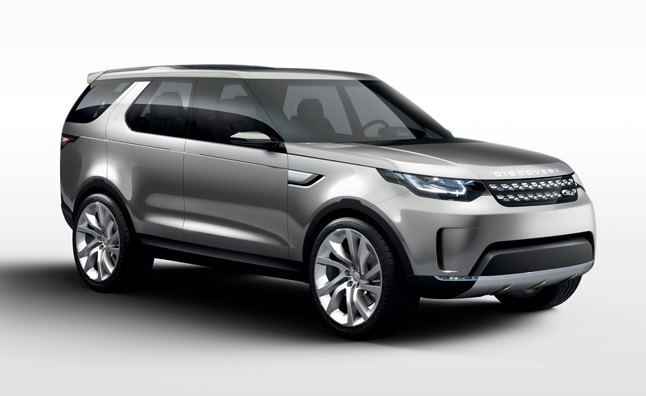
„Land Rover Discovery Vision Concept“ mato ateitį
https://autoplovykla.lt/plovyklos/vilnius/ Land Rover atskleidė naująją savo Discovery konceptą Niujorke, žadėdami…
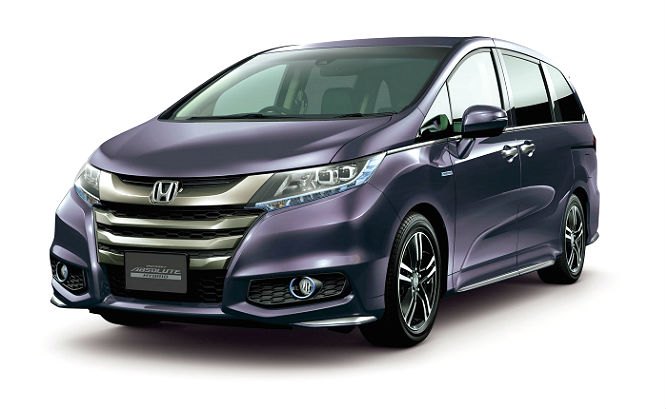
Trys daug degalų sunaudojantys hibridiniai minivenai, kurių amerikiečiai norėtų, bet negali įsigyti
https://autoplovykla.lt/Automobiliai: Hibridinių Minivenų Nauja TendencijaMūsų šalyje ir visame pasaulyje automobilių…
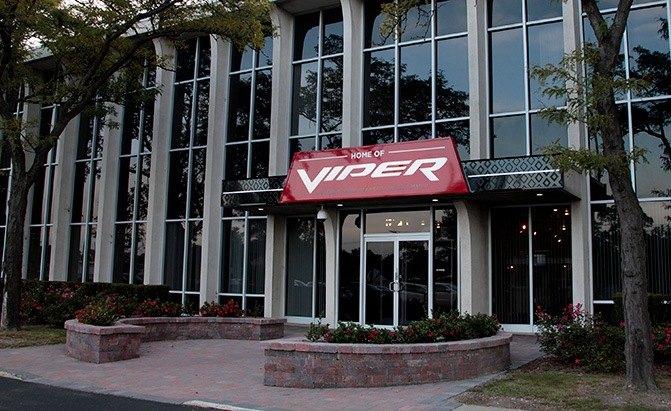
Buvusi „Dodge Viper“ gamykla atgyja antrą kartą
https://autoplovykla.lt/plovyklos/vilnius/Conner Avenue surinkimo gamykla: Naujas gyvenimas istoriniame pastateConner Avenue surinkimo…